



What Is Arthroscopic Rotator Cuff Repair?
Arthroscopic rotator cuff repair is used to inspect and reattach torn tendons in the shoulder’s rotator cuff. The initial part of this shoulder surgery is performed arthroscopically through small tubes. In some cases, open shoulder surgery may be needed to repair large tears.
Today, most rotator cuff tears are repaired arthroscopically, which is the least invasive way to reattach the tendon and is usually done as a same-day outpatient procedure (AAOS OrthoInfo).
When Is Rotator Cuff Repair Surgery Recommended?
Surgery is usually considered after a period of nonsurgical care, or sooner when the injury calls for it. Repair is generally recommended when:
- Shoulder pain and weakness continue despite rest, medication, and physical therapy
- Weakness makes everyday tasks or overhead work difficult
- The tear is large, or was caused by a sudden injury such as a fall
- You are active and rely on your shoulder for work or sport
The type of tear also guides the decision. A partial tear damages only part of the tendon and is often managed with rest and physical therapy first, while a complete tear runs all the way through the tendon and generally needs surgery to reattach it to the bone. To see how each type is diagnosed and treated, read our guides to partial rotator cuff tears and complete rotator cuff tears.
A tear often comes with other shoulder problems that can be treated in the same operation, such as a biceps tendon tear (see biceps tenodesis) or a bone spur that pinches the tendon (see shoulder impingement surgery).
Flow of the arthroscopic rotator cuff repair surgery
Joint inspected
The shoulder surgeon inserts a small video camera called an arthroscope through tiny incisions in the shoulder to inspect the damaged joint.
Joint debrided
The surgeon removes any loose fragments of tendon or other debris from the damaged cuff tendon in the joint. This procedure, called debridement, is usually performed arthroscopically. Afterward, the surgeon inspects the tissue damage in the joint and determines if more surgery is needed.
Acromion may be smoothed
If bone spurs have formed on the bottom of the acromion, the surgeon uses a rasp-like tool to smooth the area. This is called subacromial decompression, or smoothing, and will keep the acromion from pinching down on the supraspinatus tendon. It is usually done arthroscopically.
Rotator cuff inspected
If no tear is found in the rotator cuff area, the shoulder surgery may end here. If the surgeon finds a torn rotator cuff tendon, the type of repair needed is based on the size and severity of the tear. Small to moderate tears may be repaired arthroscopically. Open rotator cuff surgery may be needed to repair large tears. First, the torn end of the tendon is cleaned up. Next, an area on the humerus is cleared.
Anchors placed
The surgeon uses a drill or sharp tool to create one or more small holes in the bone. Anchors are then placed into the holes. The anchors hold stitches in place on the arm bone.
Tendon sutured
The tear in the tendon is stitched together. The sutures are pulled tightly against the anchors, reattaching the tendon to the humerus.
End of arthroscopic rotator cuff repair
After rotator cuff surgery, the arm is usually placed in a sling. Physical therapy will be needed to regain full range of motion and increased shoulder strength. Over time, the tendon will naturally reattach itself to the humerus bone.
Watch Dr. Tehrany Perform an Arthroscopic Rotator Cuff Repair
Dr. Tehrany records his arthroscopic repairs so patients can see each step of the surgery, from the first camera inspection to anchor placement.
Why Patients Choose Dr. Tehrany for Rotator Cuff Surgery in Staten Island & NYC
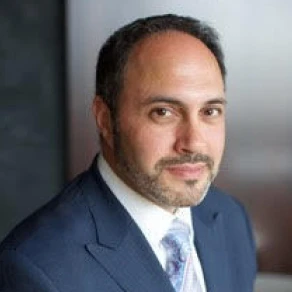
Rotator cuff repair is a technically demanding operation, and Dr. Armin Tehrany’s training is built around it. After his orthopedic surgery and sports medicine residency at Lenox Hill Hospital, he completed an arthroscopic shoulder and sports medicine fellowship at Baylor College of Medicine, and he has presented and published research on arthroscopic rotator cuff repair.
- Fellowship training in arthroscopic shoulder surgery, with published work on rotator cuff repair
- A repair technique matched to the tear, including the double rotator cuff repair technique shown in his surgery videos
- A conservative-first approach, with surgery recommended after a documented course of nonoperative care and shared decision-making
- Consultations at both the Staten Island and Manhattan offices, with surgery performed at accredited surgical facilities
Rotator Cuff Surgery Recovery Time and Rehab
Recovery is gradual because the repaired tendon needs time to heal back to the bone. Timelines vary with the size of the tear, the quality of the tissue, and your surgeon’s protocol, but most patients move through four stages.
Weeks 1 to 6: Protecting the repair
Most patients wear a sling and avoid using the arm for the first 4 to 6 weeks. Gentle passive motion, guided by your surgeon and therapist, helps keep the shoulder from stiffening while the tendon heals.
Weeks 6 to 12: Regaining motion
As the sling comes off, physical therapy progresses from passive to active movement.
Months 3 to 6: Rebuilding strength
Strengthening exercises typically begin around weeks 8 to 12, and most people regain good shoulder function and strength within four to six months.
Months 6 to 12 and beyond: Full activity
Returning to overhead sports or heavy labor, especially after a larger tear, can take up to a year or longer.
Read how patients have done in our arthroscopic rotator cuff repair patient stories. Dr. Tehrany treats patients from across Staten Island, Manhattan, and the greater NYC area.
FAQs
How long is recovery after arthroscopic rotator cuff repair?
Rotator cuff repair recovery time varies. Most people regain shoulder function in about four to six months, though full recovery can take a year or more, particularly after larger tears.
Is rotator cuff repair done as an outpatient procedure?
In most cases, yes. Arthroscopic repair is usually performed as a same-day procedure, so you go home the same day.
Will I need open surgery instead of arthroscopic repair?
Small to moderate tears can usually be repaired arthroscopically. Open surgery may be needed for large tears, and Dr. Tehrany will tell you which approach fits your tear before surgery.
When can I go back to work after rotator cuff surgery?
It depends on your job and your repair. Many people can return to lighter, desk-based duties sooner, while heavy lifting and overhead work usually wait until the repair is well healed, often several months.
Where can I have arthroscopic rotator cuff repair near me in Staten Island or Manhattan?
Dr. Tehrany evaluates patients at Manhattan Orthopedic Care’s Manhattan office (515 Madison Avenue) and Staten Island office (91 New Dorp Lane) and performs surgery at accredited surgical facilities.
Schedule a Consultation in Staten Island or Manhattan
If shoulder pain or weakness is holding you back, Dr. Tehrany can confirm whether repair is right for you and walk you through your options. Book a shoulder consultation today.