



Understanding Tennis Elbow Surgery & Relief
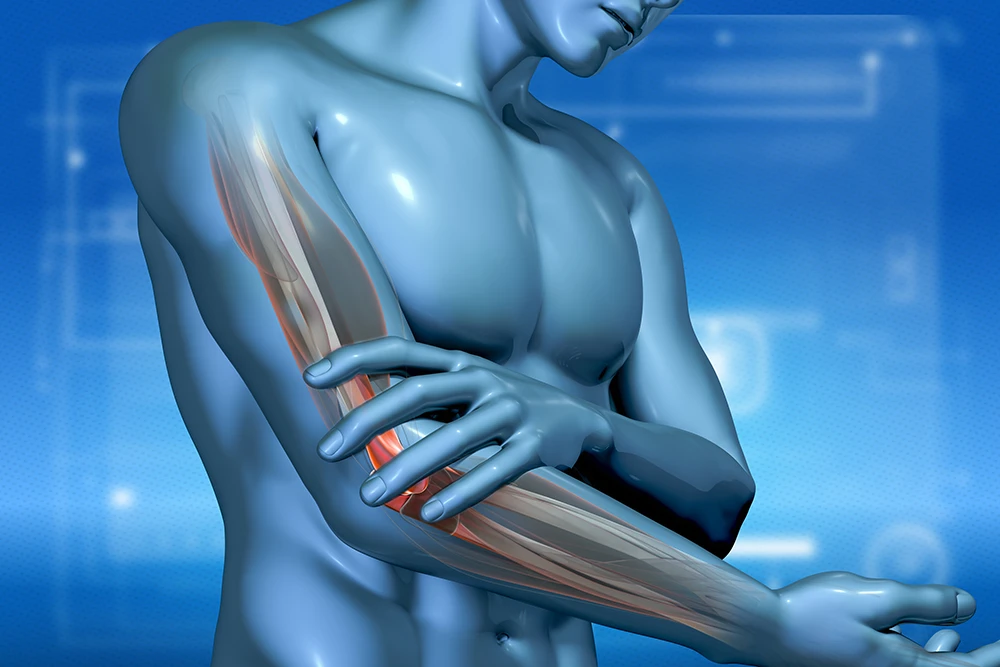
Tennis elbow surgery, clinically known as lateral epicondylitis release, is a procedure designed to alleviate chronic pain on the outside of the elbow caused by damaged tendons. While most cases of tennis elbow heal with rest, physical therapy, and bracing, severe cases often require intervention. Does tennis elbow require surgery in every case? No, but when conservative treatments fail to provide relief after 6 to 12 months, this procedure becomes the gold standard for recovery.
The surgery focuses on the extensor carpi radialis brevis (ECRB) tendon. During your surgery, Dr. Koroma removes the degenerated or torn portion of the tendon and reattaches healthy muscle to the bone. This relieves tension and eliminates the source of the inflammation. At Manhattan Orthopedic Care, we utilize the latest surgical techniques to ensure the best results with minimal downtime and maximum mobility for our New York patients.
When Is Surgery on Tennis Elbow Needed?
While primarily treating lateral epicondylitis, elbow surgery for tennis elbow addresses specific underlying pathologies that contribute to chronic pain and dysfunction in the arm.
Chronic Lateral Epicondylitis:
This is the main condition addressed, characterized by severe, persistent inflammation of the tendons joining the forearm muscles to the outside of the elbow.
ECRB Tendon Degeneration:
Degenerative tearing of the ECRB tendon, confirmed on imaging or exam, causing focal tenderness, reduced grip strength, and difficulty lifting or gripping objects at work or in sports.
Bone Spurs:
In some chronic cases, calcium deposits or bone spurs form on the lateral epicondyle. These are removed during the surgery to prevent friction.
Radial Nerve Compression:
Sometimes, tennis elbow surgery includes decompressing the radial nerve if it is entrapped, as this can mimic or exacerbate tennis elbow symptoms.
Patient Success Stories & Visual Results
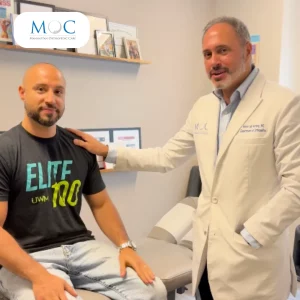
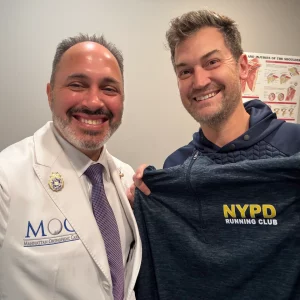
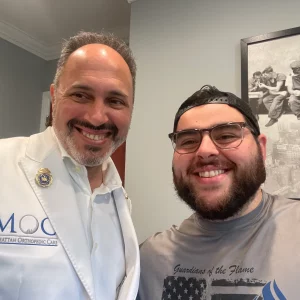
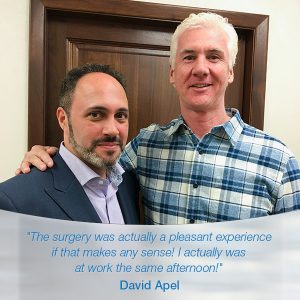
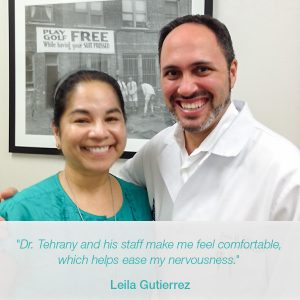
See the transformative results of our procedures. Browse our gallery to see how surgery for tennis elbow has restored function for our patients.
Your Surgical Options: Open vs. Arthroscopic
There are different approaches to surgery on tennis elbow. Drs. Tehrany and Koroma will recommend the best technique based on the severity of your tendon damage and lifestyle needs.
Open Surgery
This is the traditional approach where an incision is made over the elbow. It provides the surgeon with direct visibility to remove diseased tissue and repair the tendon attachment to the bone.
Arthroscopic Surgery
A minimally invasive method that uses tiny incisions and a fiber-optic camera. This method allows for a detailed view of the joint and typically results in a faster initial recovery.
Why So Many Patients Trust Manhattan Orthopedic Care
When you select MOC, you will first be seen by Dr. Mikail Koroma, a distinguished expert in General Orthopedics and Sports Medicine. Dr. Koroma honed his skills through rigorous residencies in General Surgery at Montefiore Medical Center and Orthopaedic Surgery at the renowned Lenox Hill Hospital.
- Highlighting his reliability in the community, he has served as the dedicated physician for various high school sports teams throughout New York City and Westchester.
- He utilizes advanced techniques to treat a full spectrum of conditions, from acute athletic injuries to chronic musculoskeletal disorders, helping patients regain optimal function.
Read Our Tennis Elbow Surgery Patient Testimonials
Discover how we have helped New Yorkers reclaim their movement. Read our tennis elbow surgery patient testimonials.
Your Tennis Elbow Surgery Journey
Tennis elbow surgery is generally an outpatient procedure. We focus on efficiency and comfort, ensuring you understand the roadmap from the operating room back to full function.
Tennis Elbow Surgery consultation
During your consultation, we review symptoms, examine your elbow, analyze imaging, and discuss whether surgery for tennis elbow is indicated or whether more non-surgical care is reasonable.
Pre-surgery preparation
Before your surgery for tennis elbow, we review medications, health conditions, and job demands, explain anesthesia options, and give clear instructions about fasting, transportation home, and short-term activity restrictions.
Day of Your Tennis Elbow Surgery
The procedure typically takes under an hour. You will likely receive regional anesthesia to numb the arm, along with light sedation.
Follow-up Appointment
You will return within 10 to 14 days for a wound check, suture removal, and to discuss the start of physical therapy
Social Readiness
Most patients can perform light social activities immediately, but you must avoid lifting or gripping with the operated arm for several weeks.
Who Needs Surgery for Tennis Elbow?
Candidates are usually individuals whose lifestyle is severely impacted by pain despite exhausting non-surgical options.
- Symptoms persisting longer than 6 to 12 months
- Failure of rest, icing, and anti-inflammatory meds
- Little relief from cortisone injections or PRP
- Pain limits simple tasks like lifting a coffee cup
- Significant loss of grip strength or extension
- Non-smokers committed to post-surgical rehabilitation
Recovery Timeline: Life After Surgery
Recovery from tennis elbow surgery is a gradual process that requires patience and adherence to therapy. Immediately after the procedure, your arm may be placed in a splint or brace for about a week to immobilize the elbow and protect the repair.
Once the splint is removed, you will begin gentle stretching exercises to regain flexibility. Strengthening exercises typically start around the 6 to 8-week mark. While you may return to light desk work within a week, a full return to heavy labor or racquet sports generally takes 4 to 6 months. Consistent physical therapy is vital to the success of surgery on tennis elbow.
Key Benefits of Tennis Elbow Surgery
This procedure offers a high success rate for relieving pain and restoring the arm’s mechanical function.
- Permanent relief from chronic lateral elbow pain
- Restoration of normal grip strength
- Improved range of motion in the elbow
- Return to sports and heavy lifting activities
- Prevention of further tendon degeneration
- Elimination of the need for chronic pain medication
Potential Complications
While elbow surgery for tennis elbow is safe, all surgical procedures carry some inherent risks that patients must be aware of.
- Infection at the incision site
- Temporary or permanent nerve damage
- Loss of elbow flexibility or stiffness
- Return of pain or incomplete relief
- Risks associated with anesthesia
Ready for Relief? Request a Consultation
Don’t let chronic pain limit your lifestyle. If you need expert advice on surgery for tennis elbow, our specialists in Manhattan and Staten Island are ready to help. Schedule your evaluation today!