








The Most Well-Known Baseball Shoulder Injuries
From Pee Wee League to Major League Baseball, the sport remains a defining part of American athletic culture. Ballparks across the country fill with families and fans eager to watch the familiar rhythm of the game: the windup, the pitch, the crack of the bat, and the long throw from the outfield as runners race around the bases.
Behind these moments of excitement, however, baseball places significant demands on the shoulder joint. The repetitive throwing motion, combined with high velocity and rotational force, creates considerable stress on the muscles, tendons, and ligaments that stabilize the shoulder. Over time, this stress can lead to a range of baseball shoulder injuries that affect both performance and long-term joint health.

Understanding the Strain Baseball Places on the Shoulder
Athletes, coaches, and parents often underestimate how gradually these common baseball shoulder injuries develop. To understand this, it is important to consider the biomechanics of the throwing motion. The shoulder must generate significant power while maintaining stability throughout each pitch, placing substantial strain on the joint’s soft tissues.
Shoulder pain is therefore a frequent complaint among baseball players of all ages, particularly pitchers. Athletes may notice discomfort during the throwing motion, a decrease in throwing velocity, or the sensation commonly described as a “dead arm.”
The pitching motion itself consists of four distinct phases:
- Wind-up
- Cocking
- Acceleration
- Deceleration
Each phase places unique stress on the shoulder’s muscles, tendons, and stabilizing ligaments. Unlike joints with deep sockets, the shoulder relies heavily on soft tissue structures for stability while maintaining an exceptional range of motion.
This mobility allows athletes to generate powerful throws but also increases the joint’s vulnerability to injury.
The Most Common Injuries in Baseball Explained
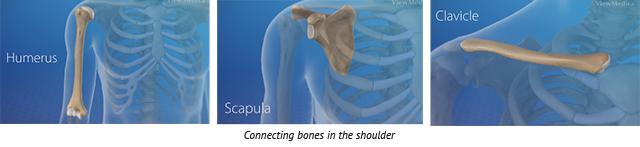
While most baseball players end each game with only minor scrapes and scratches, some experience more significant injuries. The shoulder is particularly susceptible to harm due to its anatomy and the forceful repetition of movement involved in throwing the ball.
While many baseball players experience minor discomfort, some develop significant shoulder conditions that require medical evaluation. The anatomy of the shoulder joint makes it particularly susceptible to overuse and strain.
Rotator Cuff Tendonitis or Tears
The rotator cuff stabilizes the shoulder during movement. Overuse and repetitive overhead activity can cause inflammation or tearing.
A baseball rotator cuff injury may present with:
- Shoulder pain during or after throwing
- Weakness with overhead movement
- Reduced range of motion
- Night pain in advanced cases
Early diagnosis improves treatment outcomes and may prevent progression.
Labral (SLAP) Tears
The labrum is cartilage that helps stabilize the shoulder socket. SLAP tears (Superior Labrum Anterior to Posterior) occur in throwing athletes due to repetitive stress. With research indicating more than 45% of players in the Major and Minor League Baseball requiring surgery for SLAP tears.
Symptoms include:
- Clicking or catching sensation
- Pain with overhead activity
- Decreased throwing velocity
- Shoulder instability
Labral injuries are a frequent component of baseball shoulder injuries and require accurate diagnosis.
Shoulder Impingement
Shoulder impingement occurs when tendons are compressed during movement. This condition often develops from muscle imbalance or overuse.
Symptoms:
- Pain with overhead lifting
- Limited motion
- Discomfort during throwing
Addressing biomechanics and muscle balance can relieve symptoms in many cases.
Shoulder Instability (Subluxation / Dislocation)
Repetitive throwing may stretch stabilizing ligaments, leading to instability. Athletes may experience sensations of the shoulder slipping or feeling loose.
Instability increases the risk of further injury and is a common contributor to common baseball shoulder injuries.
Bursitis
The bursa reduces friction within the joint. Inflammation of this structure causes pain and swelling, often secondary to overuse.
Bursitis frequently coexists with other shoulder conditions.
Fractured Growth Plate (Little League’s Shoulder)
Younger athletes with open growth plates may develop stress injuries at the growth plate, known as “little leaguer’s shoulder.”
This condition results from repetitive stress and requires rest to allow healing.
Growth plate injuries highlight the importance of monitoring young athletes for signs of overuse.
Know When Common Baseball Injuries Require Medical Care
Dr. Tehrany encourages early evaluation when shoulder pain persists or worsens. Warning signs include:
- Pain lasting more than two weeks
- Loss of throwing velocity
- Reduced accuracy
- Night pain
- Swelling or instability
Diagnosis begins with a thorough medical history and physical examination. Imaging studies such as X-rays or MRI scans may be required to identify structural damage.
Timely intervention supports faster recovery and reduces the risk of long-term complications.
Prevention Options
Preventing baseball shoulder injuries requires attention to training habits and biomechanics. The recommendations at Manhattan Orthopedic Care include:
- Adhering to pitch count guidelines
- Avoiding year-round pitching
- Incorporating strength and mobility exercises
- Monitoring for early signs of pain
- Prioritizing proper throwing mechanics
Treatment Options
Treatment depends on the specific diagnosis and severity of injury. Initial approaches include:
- Rest and activity modification
- Physical therapy
- Anti-inflammatory measures
For conditions such as rotator cuff tears or labral injuries, surgical intervention may be necessary. Arthroscopic techniques allow minimally invasive repair of soft tissue damage. With appropriate treatment and rehabilitation, many athletes return to their sport successfully.
Protect Your Shoulder and Performance
Baseball shoulder injuries are common but manageable when addressed early. Understanding injury mechanisms and seeking professional evaluation improves outcomes. If shoulder pain is affecting your game, schedule a consultation with our orthopedic specialists.