



What Is Elbow Nerve Surgery?
Elbow nerve surgery is a specialized orthopedic procedure designed to relieve pressure on the ulnar nerve as it passes through the elbow. This nerve controls sensation in the ring and small fingers and plays a critical role in hand strength and coordination. When the ulnar nerve is compressed or irritated, often at the cubital tunnel on the inner elbow, it can lead to numbness, tingling, weakness, or muscle wasting in the hand and forearm.
At Manhattan Orthopedic Care, ulnar nerve elbow surgery is performed to restore nerve function, reduce discomfort, and prevent permanent damage. Dr. Mikail Koroma, an experienced orthopedic surgeon with a focus on non-knee and non-shoulder procedures, provides expert evaluation and surgical care for patients who have not found relief with conservative treatment. Patients from Staten Island, Manhattan, and across NYC trust MOC for precise diagnosis, advanced surgical techniques, and a highly personalized care experience.
What Does Elbow Nerve Surgery Treat?
Elbow nerve surgery is performed to correct structural problems that place prolonged pressure on the ulnar nerve as it passes through the elbow. When conservative treatments fail, surgery addresses the underlying cause of nerve irritation to prevent further damage and restore normal nerve function.
Cubital Tunnel Syndrome
A condition in which the ulnar nerve becomes trapped or compressed at the elbow, often due to anatomy, swelling, or chronic elbow flexion.
Ulnar Nerve Entrapment or Instability
Occurs when the nerve repeatedly shifts out of position or is compressed by surrounding tissues, causing mechanical irritation and inflammation.
Nerve Compression After Injury or Scar Tissue
Prior elbow trauma, fractures, or surgery can lead to scar formation that restricts the nerve and disrupts normal movement.
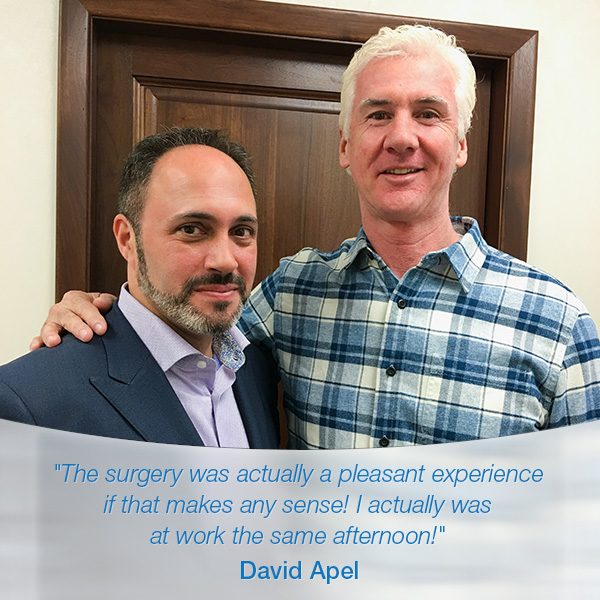
Before and After Gallery
See real patient outcomes following elbow nerve surgery at Manhattan Orthopedic Care.
Types of Ulnar Nerve Elbow Surgery
The type of elbow nerve surgery recommended depends on the severity of compression, anatomy, and symptom progression.
Elbow Nerve Decompression Surgery
This procedure relieves pressure by releasing tight structures surrounding the nerve without moving it.
Elbow Nerve Release Surgery
Scar tissue or compressive bands are removed to free the nerve and restore normal movement.
Ulnar Nerve Transposition Surgery
The nerve is repositioned to a less vulnerable location to prevent ongoing irritation.
Why Choose Manhattan Orthopedic Care for Elbow Nerve Surgery?
Manhattan Orthopedic Care offers a boutique, high-end approach to orthopedic surgery, combining advanced medical expertise with exceptional patient experience. Elbow nerve procedures are led by Dr. Mikail Koroma, whose focus on complex, non-shoulder and non-knee conditions allows for highly specialized care.
- Expert diagnosis and surgical planning for nerve-specific conditions
- Premium, discreet environment with personalized attention throughout care
- Benefits and discounts are available for first responders, with charitable giving options
Elbow Nerve Surgery Procedure Expectations
Elbow nerve surgery is an outpatient procedure designed to relieve nerve pressure and restore normal nerve function.
Elbow Nerve Surgery Consultation
Your elbow nerve surgery consultation with Dr. Koroma begins with a comprehensive review of your medical history, current symptoms, and how nerve compression is affecting your daily life. A detailed physical examination is performed, along with a review of prior imaging or nerve studies, and additional diagnostics may be ordered if needed. Dr. Koroma will discuss all appropriate treatment options, both surgical and non-surgical, explaining the benefits, risks, and expected outcomes in clear, understandable terms. This visit is designed to help you feel informed, confident, and actively involved in your care plan.
Pre-Surgery Preparation
Before surgery, you’ll receive personalized pre-operative instructions to ensure a smooth and safe experience. This includes guidance on medications to stop or continue, fasting requirements, and activity modifications leading up to the procedure. Because anesthesia is used, patients are required to arrange transportation home, as driving is not permitted the day of surgery, and your arm will be immobile for some time post-surgery.
Day of Surgery
The procedure is typically performed on an outpatient basis using advanced, minimally disruptive techniques to relieve pressure on the affected nerve. After anesthesia is administered, your surgeon carefully accesses the nerve, releasing or repositioning it as needed while protecting surrounding tissues. Precision instruments and meticulous technique help reduce trauma, swelling, and post-operative discomfort. Most procedures are completed within an hour, allowing patients to return home the same day with detailed recovery instructions.
Follow-Up Appointment
Your follow-up appointments are an essential part of the healing process after elbow nerve surgery. During these visits, Dr. Koroma will assess incision healing, monitor nerve recovery, and evaluate improvements in strength, sensation, and function. Sutures may be removed if needed, and your recovery progress will be reviewed to ensure proper healing. These appointments also allow for adjustments to your rehabilitation plan, guidance on activity progression, and answers to any questions you may have, helping to optimize your long-term outcome.
Social Readiness
Social readiness focuses on your ability to safely and comfortably return to everyday activities, work responsibilities, and social engagements. Most patients can resume light activities within a short period, depending on the procedure performed and individual healing rates. Dr. Koroma will provide personalized guidance on when it is appropriate to drive, return to work, and participate in social or recreational activities, ensuring a confident and gradual transition back to daily life.
Ideal Candidates
Elbow nerve surgery is appropriate for patients with persistent nerve symptoms despite conservative care.
- Ongoing numbness or tingling in fingers
- Hand or grip weakness
- Symptoms worsening over time
- Failed physical therapy or bracing
- Nerve compression confirmed by imaging
- Difficulty with daily hand function
What to Expect from Recovery
Recovery after elbow nerve surgery varies based on the procedure performed and the severity of nerve compression. Most patients experience gradual improvement in numbness and tingling over weeks to months as the nerve heals. Mild swelling or soreness around the elbow is common initially and typically managed with rest and prescribed care.
Manhattan Orthopedic Care patients are often encouraged to begin gentle movement early to prevent stiffness, while avoiding excessive strain. Physical therapy may be recommended to restore strength and coordination. Dr. Koroma closely monitors recovery progress, adjusting care as needed to optimize nerve healing and functional return. Many patients notice meaningful improvement in hand strength and sensation, allowing a return to daily activities with greater comfort and confidence while following strict recovery guidelines.
Benefits of Elbow Nerve Surgery
Elbow nerve surgery is designed to restore function and prevent permanent nerve damage.
- Relieves numbness and tingling
- Improves hand and grip strength
- Prevents progressive nerve damage
- Restores daily arm function
- Enhances quality of life
- Minimizes future nerve irritation
- Addresses the root cause of symptoms
Risks of Elbow Nerve Surgery
While elbow nerve surgery is generally safe, all surgical procedures carry some risk. Potential risks include infection, stiffness, temporary nerve irritation, or incomplete symptom resolution. Dr. Koroma discusses all risks in detail during consultation to ensure informed decision-making.
Book an Elbow Nerve Surgery Consultation
If elbow numbness, weakness, or nerve pain is affecting your daily life, expert evaluation is essential. At Manhattan Orthopedic Care, patients receive individualized, high-end orthopedic care in Staten Island and Manhattan. You can request a consultation with Dr. Mikail Koroma to explore whether elbow nerve surgery is right for you.
Read More About Elbow Nerve Surgery
Explore educational resources and related articles about elbow nerve conditions and treatment options.
FAQs
Is elbow nerve decompression surgery painful?
Most patients experience mild to moderate discomfort, not severe pain. During surgery, anesthesia prevents pain entirely. Afterward, soreness around the incision and temporary nerve sensitivity are common and typically improve over the first few days. Pain is usually well managed with prescribed or over-the-counter medications and gradual activity modification.
Can I consult a general practitioner (GP) for elbow nerve issues?
A GP is often a helpful first point of contact for early or mild symptoms. They can assess your condition, recommend conservative treatments, and refer you for imaging or nerve studies if needed. However, if symptoms persist, worsen, or involve muscle weakness or loss of coordination, a referral to an orthopedic surgeon is recommended to evaluate whether surgical treatment is necessary.
What does rehabilitation look like after elbow nerve surgery?
Rehabilitation after elbow nerve surgery is typically gradual and guided. Most patients begin gentle motion soon after surgery, followed by physical therapy to restore strength, flexibility, and nerve function. Many return to light activities within a few weeks, while full recovery may take several months depending on the severity of nerve compression and the procedure performed.
Can elbow nerve problems come back after surgery?
Recurrence is uncommon when the underlying cause of nerve compression is properly addressed. However, ongoing repetitive elbow strain, prolonged pressure on the elbow, or untreated contributing conditions can increase the risk. Following post-operative instructions, completing rehabilitation, and making ergonomic or activity modifications can significantly reduce the likelihood of symptoms returning.